Everyone wants smooth, clear, glowing skin, but choosing the right facial treatment can be confusing. Two popular options are HydraFacial and chemical peels. Both improve skin appearance, yet they work differently and address different concerns.
If you’re comparing HydraFacial vs chemical peel, the better choice depends on your skin type, concerns, and desired results.
HydraFacial is generally better for hydration, gentle exfoliation, clogged pores, and an immediate glow. Chemical peels are often more suitable for addressing certain types of pigmentation, acne, rough texture, and uneven skin tone over multiple sessions.
Understanding their differences can help you choose a treatment that improves your skin without unnecessary irritation.
What is a HydraFacial?
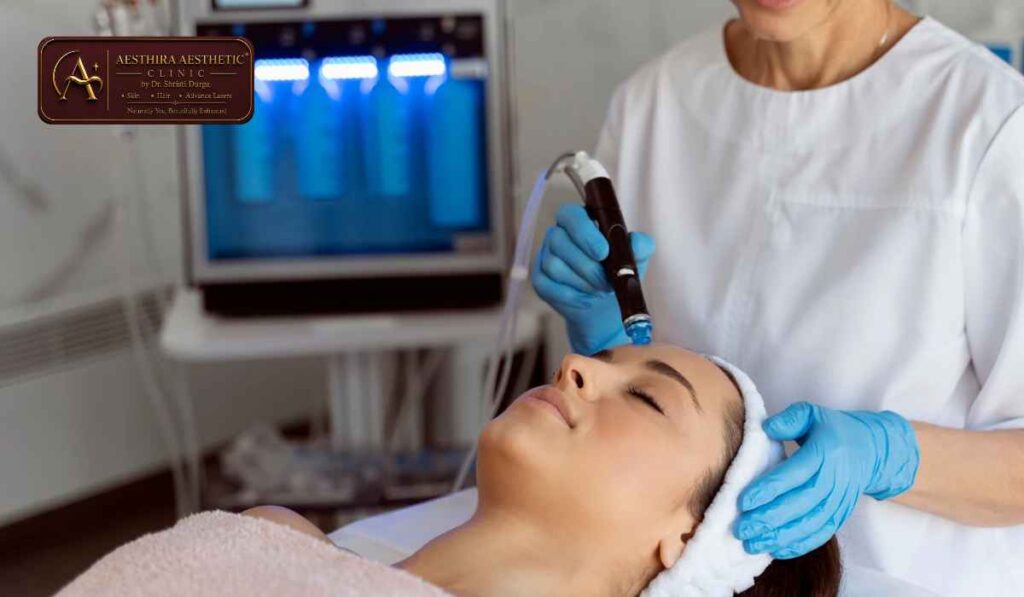
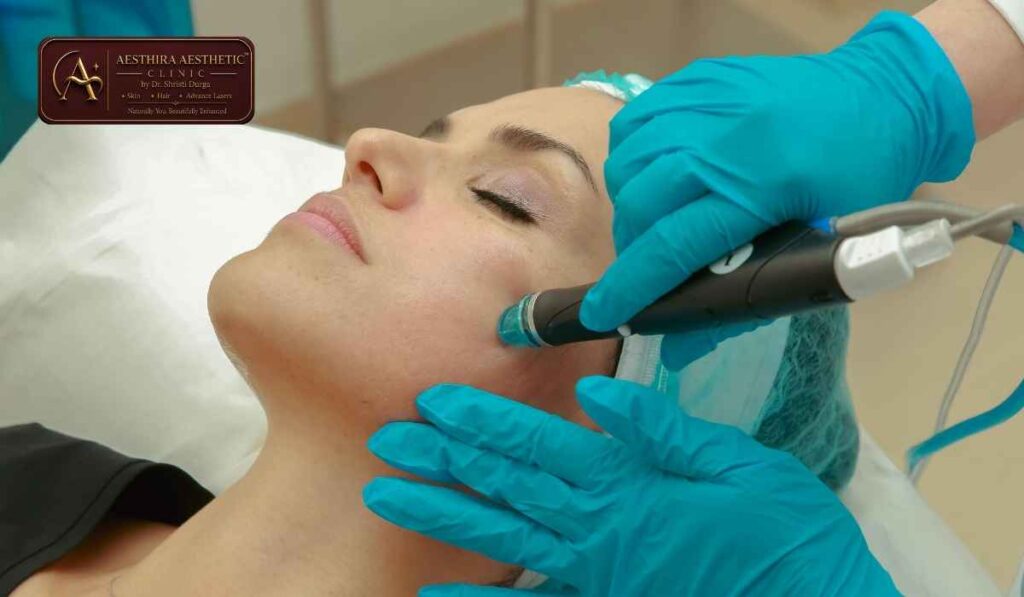
A HydraFacial is a non-invasive skin treatment that combines cleansing, exfoliation, suction-based extraction, and hydration in one session.
Unlike traditional facials that may involve manual extractions, HydraFacial uses a specialised device to remove surface impurities while applying hydrating solutions.
The treatment aims to leave your skin feeling cleaner, smoother, and more refreshed.
Key HydraFacial Benefits
- Deep cleansing: Helps remove dirt, excess oil, and surface debris.
- Hydration: Replenishes moisture for softer, healthier-looking skin.
- Gentle exfoliation: Removes dead skin cells that contribute to dullness.
- Pore cleansing: Helps clear blackheads and surface congestion.
- Improved radiance: Makes skin appear smoother and brighter.
- Minimal downtime: Most people can return to their routine shortly after treatment.
A HydraFacial for glowing skin can be particularly appealing before a wedding, celebration, or special occasion because visible freshness and hydration may improve after one session.
However, HydraFacial primarily provides cosmetic improvement. It cannot reliably eliminate deep pigmentation, significant acne scars, or persistent skin conditions.
To understand the procedure in more detail, read What Really Happens During a HydraFacial in Indirapuram?.
What is a Chemical Peel?
A chemical peel is a skin-resurfacing treatment that uses carefully selected exfoliating solutions to remove damaged outer skin cells and encourage skin renewal.
Depending on your concerns, a skincare professional may recommend ingredients such as glycolic acid, salicylic acid, lactic acid, or other peeling agents.
Chemical peels vary in strength and depth. Superficial peels work mainly on the outer skin layers, while medium and deep peels require more recovery time and careful medical supervision.
Unlike a hydration-focused facial, chemical peels are often chosen to address specific concerns such as pigmentation and uneven texture.
Key Chemical Peel Benefits
- Pigmentation improvement: Can help reduce selected dark spots and post-acne marks.
- Acne management: Certain peels help improve oily skin and some forms of acne.
- Smoother texture: Encourages the removal of rough, damaged surface cells.
- More even skin tone: Can gradually improve visible discolouration.
- Reduced dullness: Supports a fresher-looking complexion.
- Fine-line improvement: Some peels may soften the appearance of superficial lines.
Chemical peel benefits depend on the peeling agent, treatment depth, skin condition, and number of sessions.
Visible improvements are usually gradual, and multiple sessions may be recommended for concerns such as pigmentation.
Explore chemical peel treatments at Aesthira Aesthetic to learn more about available options.
HydraFacial vs Chemical Peel: Key Differences
Although both treatments involve exfoliation, their goals, intensity, and recovery requirements are different.
| Feature | HydraFacial | Chemical Peel |
| Main purpose | Cleansing, hydration, radiance | Exfoliation and targeted skin correction |
| Treatment method | Device-assisted cleansing and serum application | Controlled chemical exfoliation |
| Best suited for | Dullness, dehydration, clogged pores | Selected pigmentation, acne, uneven tone |
| Visible results | Often noticeable immediately | Usually develop as skin renews |
| Downtime | Usually minimal | Varies from mild redness to several days or longer |
| Skin sensitivity | Generally gentle, but irritation is possible | Depends on peel type and strength |
| Number of sessions | Depends on maintenance goals | Often a course of sessions |
| Long-term improvement | Mainly temporary cosmetic benefits | May offer longer-lasting improvement in selected concerns |
The main difference: HydraFacial focuses on immediate cleansing and hydration, while chemical peels can provide more targeted treatment for particular skin problems.
Neither treatment is automatically better for everyone.
Which Treatment is Better for Your Skin Type?
Your skin type plays an important role in deciding between a HydraFacial and a chemical peel.
1. Dry or Dehydrated Skin
If your skin frequently feels tight, rough, or dull because of insufficient moisture, HydraFacial may be a suitable option.
Its combination of gentle exfoliation and hydration can improve the appearance and feel of dehydrated skin.
However, severely irritated or compromised skin may need barrier repair before either treatment.
Often preferred: HydraFacial, after skin assessment.
2. Oily and Acne-Prone Skin
Both treatments may benefit oily skin, but they serve different purposes.
HydraFacial helps clear surface debris and clogged pores, which may improve the appearance of congested skin.
Certain chemical peels, particularly salicylic acid-based treatments, can be useful for selected types of acne and oily skin.
If you have inflamed or persistent acne, treating the underlying condition is more important than simply choosing a facial.
Often preferred: A targeted chemical peel for suitable acne concerns; HydraFacial for mild congestion.
3. Pigmented or Uneven Skin
Pigmentation may develop because of sun exposure, acne, hormonal influences, or skin inflammation.
A HydraFacial can improve overall radiance, but it is not a primary treatment for persistent pigmentation.
Chemical peels may help reduce certain superficial dark spots and post-inflammatory pigmentation when carefully selected.
However, melasma and other complex pigmentation conditions often require a broader treatment plan.
Often preferred: A carefully selected chemical peel or dedicated pigmentation treatment.
Learn why dark spots sometimes return in our article Why Does Pigmentation Keep Coming Back After Treatment?.
4. Sensitive Skin
Sensitive skin requires additional caution.
A gentle HydraFacial may be tolerated by some individuals, but suction, exfoliating ingredients, or active serums can still cause irritation.
Chemical peels can also be suitable in selected cases, although the strength and formulation must be chosen carefully.
People experiencing active eczema, rosacea flare-ups, sunburn, or skin infections should undergo professional evaluation before treatment.
Often preferred: Individualised assessment rather than choosing a procedure based on sensitivity alone.
HydraFacial vs Chemical Peel: Which Is Best for Pigmentation?
When searching for the best facial for pigmentation, it helps to understand that glowing skin and reduced pigmentation are not the same thing.
A HydraFacial can temporarily make skin appear brighter by removing surface buildup and improving hydration. However, it does not reliably address the underlying causes of melasma or stubborn dark spots.
A chemical peel may be more effective for some pigmentation concerns because controlled exfoliation can help remove pigmented surface cells over time.
The results depend on the pigmentation type:
- Post-acne marks may respond to appropriate superficial peels.
- Sun-related superficial pigmentation may improve with a carefully planned treatment.
- Melasma often requires ongoing management, sun protection, and additional treatments.
- Deep pigmentation may not respond adequately to either treatment alone.
Importantly, aggressive chemical peels can worsen pigmentation, particularly in darker skin tones prone to post-inflammatory hyperpigmentation.
This is why identifying the type and cause of pigmentation matters more than choosing the strongest treatment.
For persistent dark spots, explore personalised pigmentation treatment at Aesthira Aesthetic.
Which Treatment Gives Faster Results?
If your main goal is fresher-looking skin before an event, HydraFacial often delivers the quicker visible improvement.
Skin may appear more hydrated, smooth, and radiant shortly after treatment. However, the cosmetic effects are temporary and vary between individuals.
Chemical peels work differently.
A superficial peel may improve brightness after the initial recovery period. For pigmentation, acne, and texture concerns, noticeable improvement may require several sessions.
Stronger peels can involve more substantial peeling, redness, and downtime.
What About Long-Term Results?
HydraFacial results generally require maintenance because the treatment does not permanently change oil production, pigmentation, or skin ageing.
Chemical peels may provide longer-lasting improvement in selected concerns, but results are not necessarily permanent.
Continued sun exposure, acne, and hormonal changes can cause discolouration to return.
Daily skincare and sun protection remain important after either procedure.
Can You Combine HydraFacial and Chemical Peels?
Yes, both treatments may be included in a personalised skincare plan when appropriate.
For example, a person with dehydration and uneven pigmentation might benefit from hydration-focused sessions alongside a separate course of carefully selected chemical peels.
However, combining procedures does not automatically improve results.
Performing multiple exfoliating treatments too close together may increase irritation, sensitivity, and the risk of pigmentation changes.
The sequence and interval should be determined by a qualified professional after evaluating the skin.
Aftercare: How to Protect Your Skin
Proper aftercare supports recovery and helps maintain treatment results.
After HydraFacial
- Use a gentle cleanser and suitable moisturiser.
- Apply broad-spectrum sunscreen with SPF 30 or higher.
- Avoid unnecessary exfoliation or harsh active ingredients immediately afterward.
- Follow personalised instructions if your skin develops redness or sensitivity.
After a Chemical Peel
- Protect your skin carefully from sun exposure.
- Keep your skin moisturised as recommended.
- Avoid picking, rubbing, or peeling away flaking skin.
- Do not restart retinoids, scrubs, or strong exfoliating products until advised.
- Follow the recommended recovery schedule for your specific peel.
Chemical peel aftercare varies considerably depending on the treatment depth.
If you experience severe burning, blistering, increasing pain, or unusual swelling, contact your treating professional promptly.
How to Choose the Right Treatment at Aesthira Aesthetic
Choosing between HydraFacial and chemical peels should start with understanding your skin rather than following a popular treatment trend.
At Aesthira Aesthetic, located in Indirapuram, Ghaziabad, the focus is on personalised skin care based on individual concerns.
The clinic offers HydraFacial, chemical peels, pigmentation treatments, and other advanced skin services.
Dr. Shristi Durga and the team focus on evaluating skin concerns before recommending a suitable treatment approach. AI-based skin analysis is among the assessment tools available at the clinic.
Whether your priority is hydration, improving skin texture, managing pigmentation, or preparing for an occasion, your treatment plan should consider your skin condition, sensitivity, and expected recovery time.
For those planning a wedding or special occasion, our guide to pre-bridal treatments for glowing wedding-day skin explains why choosing treatments early is important.
Conclusion
So, which is better in the HydraFacial vs chemical peel comparison?
Choose HydraFacial if your main concerns are dryness, mild congestion, dullness, or achieving a refreshed appearance with minimal downtime.
Consider a chemical peel if you want to address suitable types of pigmentation, acne, uneven skin tone, or rough texture through a targeted treatment plan.
The right choice depends on your skin, not just the treatment’s popularity.
For personalised guidance, book a skin consultation at Aesthira Aesthetic in Indirapuram, Ghaziabad.
A professional assessment can help you understand which treatment is appropriate for your concerns, the results you can realistically expect, and the precautions your skin needs.
Frequently Asked Questions (FAQs)
1. Which is better for glowing skin, HydraFacial or chemical peel?
HydraFacial is often preferable for an immediate hydrated glow with minimal downtime. Chemical peels can also improve radiance but may be more appropriate when dullness occurs alongside pigmentation or uneven texture.
2. Is HydraFacial effective for pigmentation?
HydraFacial may improve overall brightness and skin appearance, but it is not a primary treatment for persistent pigmentation or melasma. Chemical peels and other targeted treatments may be more suitable depending on the cause of discolouration.
3. Are chemical peels safe for Indian skin?
Chemical peels can be performed safely on many Indian skin tones when the peeling agent, concentration, and treatment depth are selected appropriately. However, darker skin can be more susceptible to post-inflammatory hyperpigmentation, making professional assessment and aftercare especially important.
4. Can I get a HydraFacial and chemical peel in the same month?
It may be possible to include both treatments in the same month, depending on your skin condition, the type of peel, and recovery requirements. A qualified professional should determine the appropriate spacing to avoid excessive exfoliation.
5. Which is the best facial for pigmentation and dark spots?
There is no single best facial for every type of pigmentation. A professionally selected chemical peel may improve certain superficial dark spots, while melasma or deeper pigmentation may require additional treatments and consistent sun protection. A skin assessment is the best starting point.