
Overview
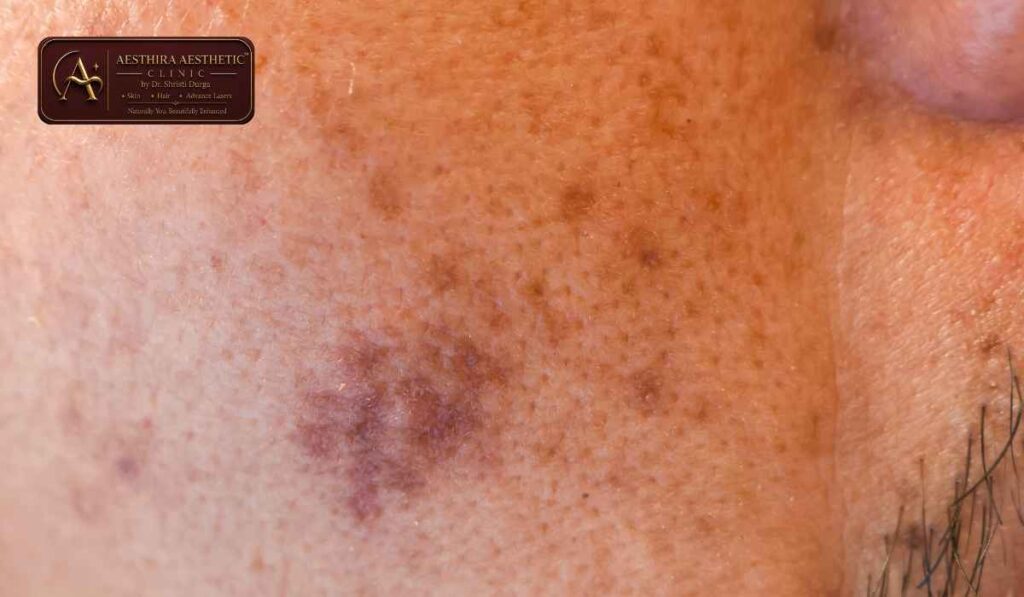
Pigmentation fades after treatment, then returns weeks or months later, and this is genuinely one of the most common frustrations dermatologists hear. The honest reason: most treatments clear existing pigment from the skin’s surface, but they don’t switch off the melanocytes, the cells actually producing that pigment. If the underlying trigger, sun exposure, hormones, inflammation, remains active, those cells simply make a new batch. You’re clearing the product without shutting down the factory.
At Aesthira Aesthetic, Dr. Shristi Durga uses AI-based skin analysis specifically to identify which trigger is actually driving your pigmentation before treatment begins, since that’s what genuinely determines whether results last.
The Real Reason Pigmentation Recurs
What’s actually happening biologically:
● Laser and peel treatments remove existing pigment, but don’t deactivate the melanocytes that produced it
● Once triggered, these cells develop what dermatologists call “melanocyte memory,” reacting faster to future triggers
● Even minimal, daily sun exposure can reactivate pigment production in previously treated skin
● Hormonal fluctuations, from stress, PCOS, pregnancy, or birth control, can independently reignite pigment cells
Pigmentation recurrence isn’t usually a sign your treatment failed, it’s a reflection of how pigment cells genuinely behave once they’ve been triggered.
Meet Dr. Shristi Durga – Pigmentation Specialist in Indirapuram
Patients frustrated by recurring pigmentation want a practitioner who identifies the actual trigger, not one repeating the same surface treatment expecting a different result.
Professional Highlights:
● Founder of Aesthira Aesthetic, Indirapuram
● Access to AI-based skin analysis identifying root causes before treatment
● Focus on understanding underlying triggers, not just visible symptoms
● Expertise across chemical peels, pigmentation-targeted treatment, and comprehensive skin rejuvenation
For questions about your specific pigmentation pattern, patients can call +91 96675 59772.
Common Triggers That Bring Pigmentation Back
1. Inconsistent Sun Protection
Daily UV exposure, even brief, unprotected moments, is one of the strongest reactivators of melanin production.
2. Compromised Skin Barrier
Overuse of harsh acids, scrubs, or aggressive treatments weakens the barrier, triggering inflammation that increases pigment production.
3. Hormonal Fluctuations
Melasma specifically is driven by hormones and heat, both genuinely difficult to fully avoid, making it a chronic condition rather than a one-time fix.
4. Ongoing Inflammation
Picking at skin, harsh product use, or untreated acne can create a cycle: irritation leads to inflammation, which leads to more pigmentation.
Why Choose Aesthira for Pigmentation Treatment?
Key advantages:
● AI-based analysis identifying your specific trigger, not just the visible pigment
● Personalised treatment plans addressing cause alongside correction
● Honest guidance on which pigmentation types are chronic versus genuinely resolvable
● Access to multiple treatment modalities matched to your specific pattern
Treating pigmentation as an ongoing relationship between your skin and its triggers, rather than a one-time fix, is what actually leads to lasting clarity.
Is Some Pigmentation Simply Chronic?
Yes, and understanding this upfront genuinely reduces frustration. Melasma and certain hormonally-driven pigmentation types remain biologically prone to recurrence even after successful treatment. This doesn’t mean treatment failed, it means ongoing management, not a single procedure, is the realistic goal for these specific types.
Step-by-Step Pigmentation Treatment Journey
1. AI-Based Skin Analysis
Your specific pigmentation type and likely trigger are identified through detailed assessment.
2. Treatment Selection
Peels, laser, or targeted pigmentation treatment is chosen based on your specific findings.
3. Treatment Sessions
Sessions are scheduled to address existing pigment while managing the underlying trigger.
4. Trigger Management
Sun protection and lifestyle guidance are built into your plan from the start, not as an afterthought.
5. Long-Term Maintenance
Periodic check-ins and maintenance sessions help sustain results, particularly for chronic pigmentation types.
Benefits of Trigger-Focused Pigmentation Treatment
✔ Addresses the actual cause driving pigment production, not just visible spots
✔ Reduces the frequency and severity of recurrence over time
✔ Sets realistic expectations for chronic versus resolvable pigmentation types
✔ Combines correction with genuine prevention strategy
✔ Backed by AI-based analysis identifying your specific pattern
Understanding why pigmentation is being produced, rather than simply treating it like a stain to be scrubbed away, is what actually stops the cycle.
Why Indirapuram Patients Trust Aesthira for Pigmentation Care
● AI-based analysis identifying your specific pigmentation trigger
● Honest guidance on chronic versus fully resolvable pigmentation types
● Access to multiple treatment modalities matched to your pattern
● Direct phone access at +91 96675 59772 for questions
● Dr. Shristi Durga’s focus on root-cause treatment, not just correction
Patients who understand and manage their specific trigger, alongside proper treatment, consistently see pigmentation stay controlled far longer than those repeating the same surface treatment.

Conclusion
Pigmentation returns because treatment clears existing pigment without switching off the melanocytes producing it, and without addressing your specific trigger, sun, hormones, or inflammation, the cycle continues. Dr. Shristi Durga at Aesthira Aesthetic identifies your actual trigger through AI-based analysis before building a treatment plan genuinely designed to break that cycle.
For questions about pigmentation treatment, call +91 96675 59772 or email Aesthiraaesthetic@gmail.com. Follow skin transformations on Instagram and Facebook.
Book your pigmentation consultation with Aesthira here.
FAQs
Why does pigmentation keep coming back even after successful treatment?
Treatment clears existing pigment but doesn’t deactivate the melanocytes that produced it. If triggers like sun exposure or hormones remain active, these cells simply produce new pigment.
Is melasma ever permanently curable?
Melasma is considered a chronic condition driven by hormones and heat. It can be effectively managed and faded, but recurrence remains possible even after successful treatment.
Does sun protection actually prevent pigmentation from returning?
Yes, consistent daily sun protection is one of the most important factors in preventing reactivation of pigment-producing cells after treatment.
Can harsh skincare products make pigmentation worse?
Yes, overuse of acids or scrubs can damage the skin barrier, triggering inflammation that directly increases pigment production.
How is AI-based skin analysis different from a standard pigmentation consultation?
It identifies specific patterns and likely triggers at a detailed level, helping build a treatment plan targeted at your actual cause rather than a generic protocol.